
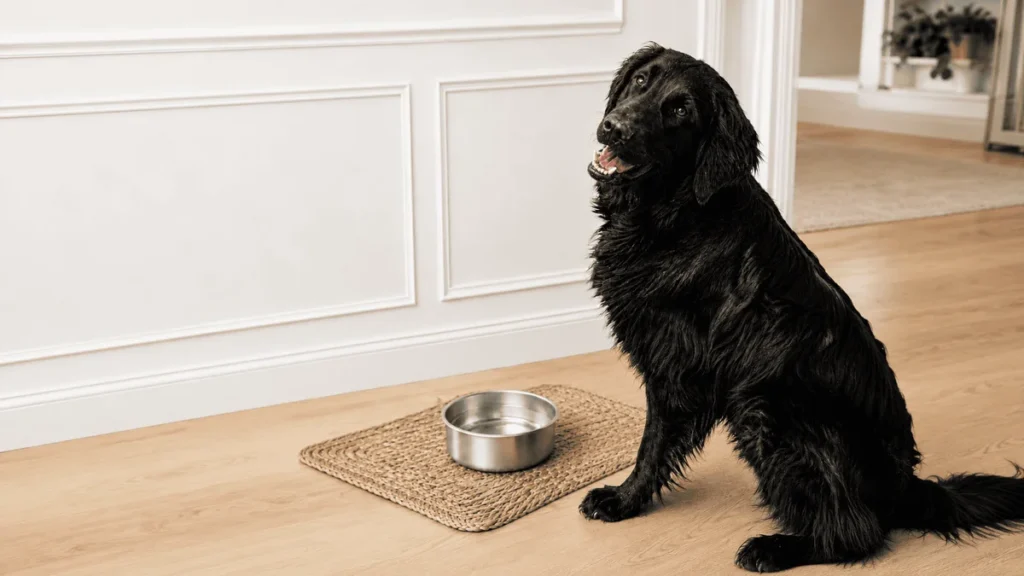
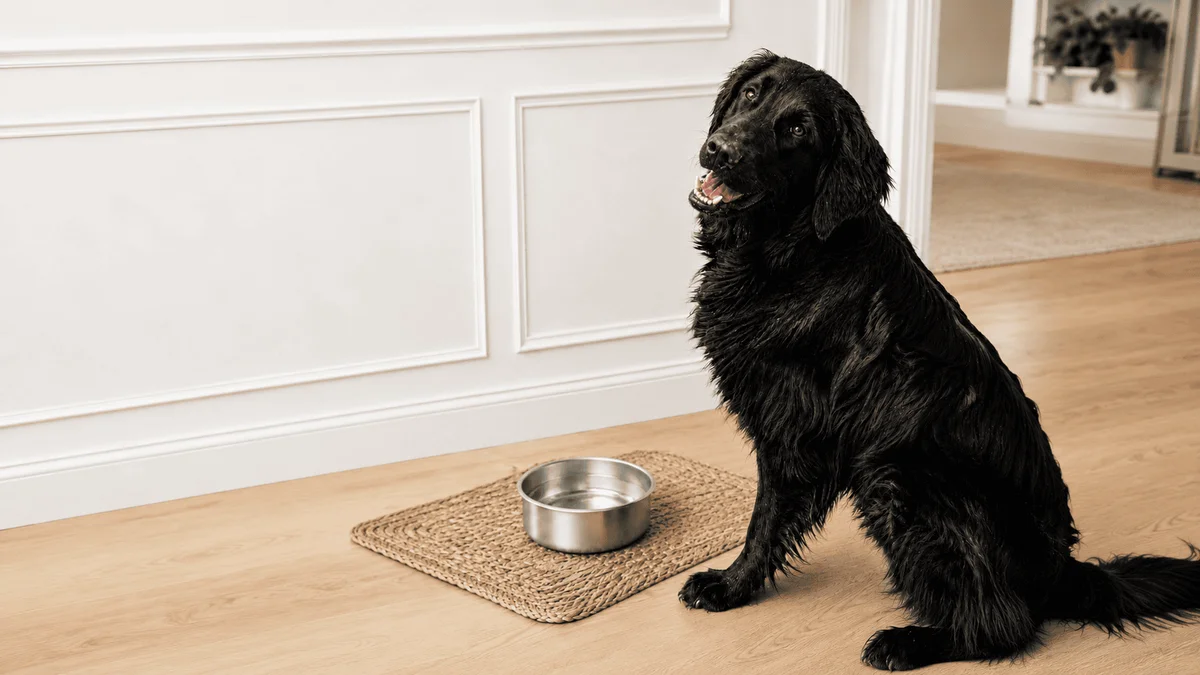
The first time I really looked inside my dog’s water bowl, I found a thin, slimy film I’d been ignoring for months. I’d been rinsing it, maybe giving it a quick sponge wipe, and refilling. That was it. When I finally found the data on how dirty pet bowls actually get, I wasn’t surprised for one good reason: I’d been doing the same thing all along.
So I changed the routine. It takes about two minutes a day, and it’s the kind of small habit that quietly protects your dog’s kidneys, gut, and skin. Let me walk you through what’s actually in that bowl, why a rinse isn’t enough, and the five-step wash I do now.
What’s actually in your dog’s bowl
When I first learned how dirty dog bowls are, even the washed ones, I went looking for hard numbers. I found more than I hoped for. An NSF study ranked the dog water bowl the third most contaminated item in the average home. And researchers at Hartpury University did an experiment that genuinely made me cringe.
They started with brand-new, sterilized bowls and had owners refill them without washing for two weeks. Here’s what grew in that time:
- Day 0: zero bacteria (freshly sterilized)
- Day 7: stainless steel bowls averaged 250 million CFU/ml (CFU = live, multiplying bacteria)
Seven days. From spotless to 250 million. That’s what “eh, I’ll just top it off” really costs you. And it wasn’t harmless gunk. DNA testing of those bowls found MRSA (yes, the antibiotic-resistant staph), Salmonella, and E. coli — things your dog drinks right down.
The three mistakes almost everyone makes
Most of us think we’re cleaning the bowls right. We’re not. Here are the three slips I was making too, before I read the study.
1. Just topping it off
Refilling without dumping and washing lets bacteria compound day after day. That’s exactly how a bowl goes from zero to 250 million.
2. A rinse instead of a real wash
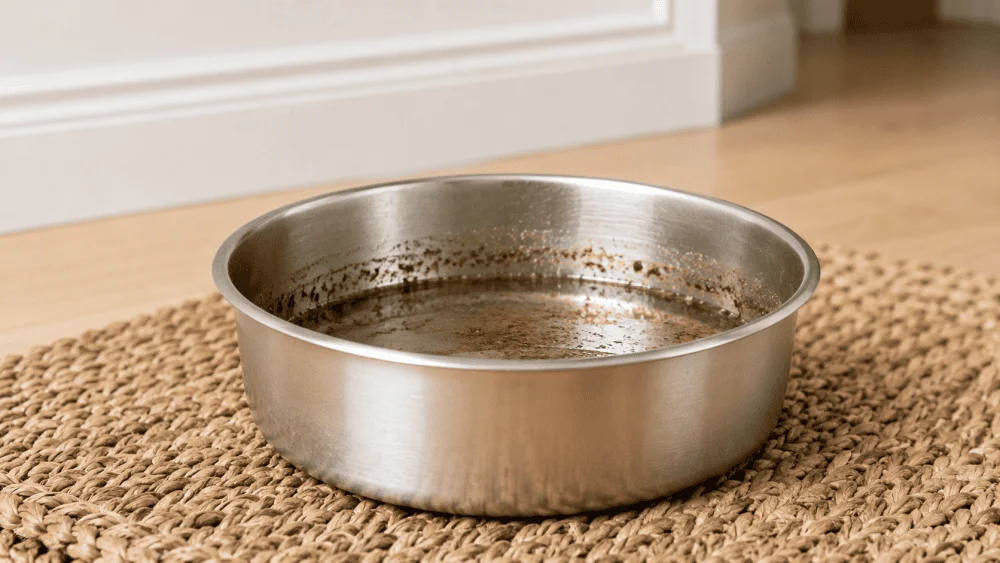
That slimy film on a bowl that’s been sitting is biofilm — a bacterial fortress where microbes glue themselves down under a protective slime layer. A rinse literally can’t lift it. It takes physical scrubbing to break the bond.
3. Stopping at soap and water
This one caught me off guard. Even a good scrub doesn’t fully remove biofilm, because the bacteria living in it can be up to 1,000 times more resistant to disinfectants than regular bacteria. Soap and water is step one, not the finish line.
The real risk — it can reach the kidneys
I came across a post claiming dirty bowls can cause kidney failure, and I went digging to see if it was fear-mongering. It wasn’t. Here’s what can be lurking in a bowl, and what each one does.
Leptospira — the kidney-failure one
Leptospirosis is now recognized as one of the most significant waterborne diseases in the world and a leading cause of sudden kidney injury in dogs. Vets confirm it can lead to kidney and liver failure, and it can progress to acute kidney injury within 24 to 48 hours. Dogs catch it from stagnant, contaminated water — puddles, lakes, and yes, standing water in a bowl. An outdoor bowl is extra risky, because one rat, squirrel, or raccoon passing over it overnight can introduce Lepto through its urine.
E. coli — kidney, urinary, and gut
The bowl study found this one too. Beyond the classic vomiting and diarrhea, certain E. coli strains cause urinary tract infections that can travel up to the kidneys. So it hits the kidneys by a different route than Lepto.
Salmonella — severe gut illness, whole-body infection
Also found in the study. It causes bloody diarrhea, fever, dehydration, and vomiting. In vulnerable dogs it can spread into the bloodstream and become a body-wide infection. It’s zoonotic too, meaning it can jump from that same bowl to you and your family.
MRSA — antibiotic-resistant infections
The study found this repeatedly. It’s the resistant staph behind skin, wound, and soft-tissue infections that are genuinely hard to treat because antibiotics don’t work well on it. Also zoonotic — it moves between you and your dog.
My dog had E. coli alongside a UTI last year, and I remember thinking, “How on earth did he pick that up?” Our vet didn’t even mention the water bowl. The good news is prevention is easy, and it starts with the right bowl.
Best and worst bowl materials
Not all bowls are created equal. The material either gives bacteria a place to hide or leaves them nowhere to go. Here’s the ranking, worst to best.
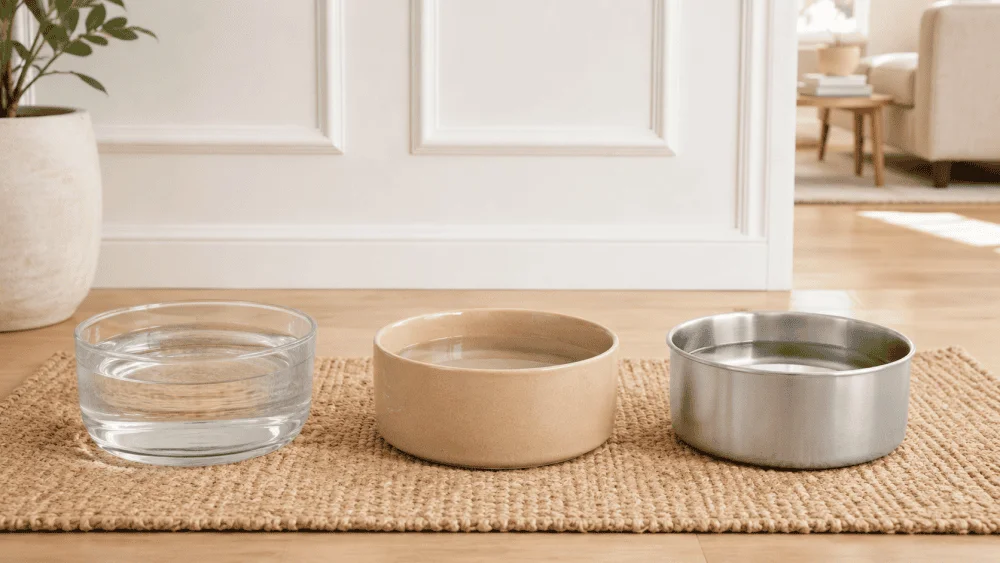
Worst: plastic. Toss these. Plastic is soft and porous, so every scratch from tongues and sponges becomes a microscopic hiding spot where bacteria shield themselves from cleaning. In the Hartpury study, plastic held the highest bacterial count after two weeks. I’d avoid it for plenty of other reasons too — microplastics, the chin acne you see in some dogs. No thank you.
Caution: ceramic. This one’s sneaky. It had the lowest total bacteria count in the study, but it isolated the most harmful species — MRSA and Salmonella preferentially stuck to it. It looks cleaner while harboring the scarier bugs. Only use ceramic if it’s a lead-free, food-safe glaze with zero cracks or chips, because once the glaze cracks, bacteria pour into the fissures.
Best: stainless steel or glass. This is what I use. Both are non-porous, so there’s nowhere for biofilm to grip, and both take a high-heat dishwasher cycle for a deep sanitize. Just know that no material is self-cleaning — even the best stainless bowl still needs daily washing. Remember, stainless hit 250 million CFU in a week when it was only refilled, not washed.
If you’re upgrading, look for 304-grade stainless, also stamped 18/8 (18% chromium, 8% nickel). That’s the food-grade standard: it won’t leach, resists rust, and is non-porous so bacteria can’t grip it. The bowls I switched to are 304 (18/8) stainless, independently tested for lead, mercury, cadmium, and radioactivity, and dishwasher-safe — and reviewers consistently report chin acne clearing up within a week of the swap. You can browse the Basis Pet bowls I use (affiliate link, full disclosure below).
Why a sanitizing step (HOCl) changes everything
Soap and water break up food, grease, and some of the biofilm. But those biofilm bacteria are up to 1,000 times more resistant, so scrubbing alone leaves survivors clinging to the surface. You need a proper sanitizing step to finish the job. That’s where HOCl (hypochlorous acid) comes in.
Wondering what HOCl even is? It’s something your own body makes — your white blood cells produce it to fight infection. For home use, it’s generated by passing an electric current through a simple mixture of water and salt. The bottle I keep on the kitchen counter is free of low-quality additives and carcinogenic preservatives, and it’s FDA and EPA-approved as a food sanitizer, so it’s non-toxic if your dog licks the bowl. No rinse needed.
Why it works as the final step for bowls:
- It kills bacteria and actively disrupts the biofilm layer that shields them — the exact thing soap leaves behind.
- It destroys bacteria, fungi, and viruses on contact while staying safe for skin and living tissue.
- It’s not bleach. HOCl disinfects gently with zero harsh residue; bleach is abrasive and potentially harsher.
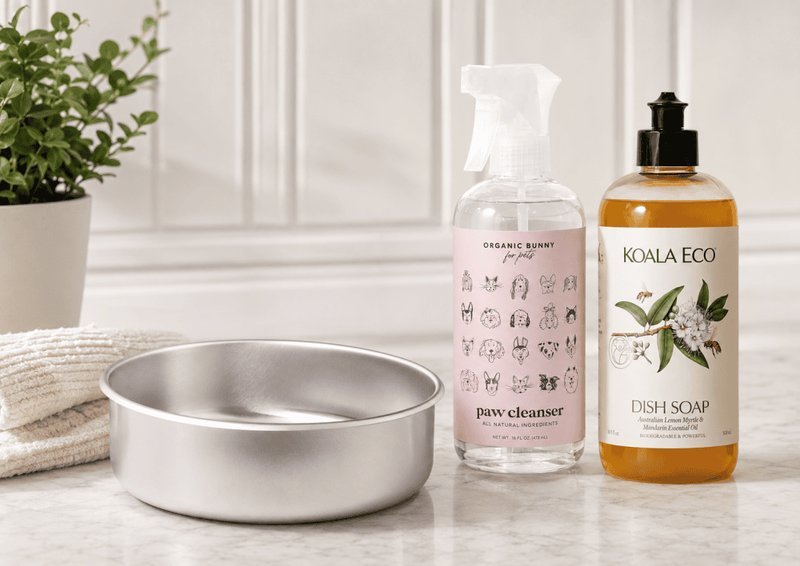
We go through it fast — I’d get a couple of bottles and keep one in the kitchen. It’s also the product I use for hot spots, ear cleaning, scrapes, and paw care, so it earns its shelf space. You can grab the Paw Cleanser (affiliate link, full disclosure below).
How I wash my dog’s bowl now (5 steps, ~2 minutes)
Here’s the routine I do every single day. One rule first: use a non-toxic dish soap — I use the Koala Eco Dish Soap, for the humans and the dog (affiliate link, full disclosure below). Keep a sponge or brush dedicated to the pet bowls, never your family’s dish sponge.
- Dump everything. Toss the old food and water. Don’t just top it off — ever.
- Scrub with hot water and soap. Use the pet-only sponge or brush so you’re not cross-contaminating your plates with dog-mouth bacteria.
- Rinse fully. Get every trace of soap off. Dogs are sensitive to soap taste, and residue can actually stop them from drinking.
- Spray with HOCl and let it sit 1–2 minutes. This is the step that breaks down the biofilm soap leaves behind. No rinse needed — that’s the whole point.
- Dry completely. Air-dry for 15–20 minutes or towel-dry fully. Bacteria love moisture, so a damp bowl restarts the whole cycle. This is exactly why I keep two bowls in rotation — one dries while the other is in use.
Do all five, every day. Biofilm can start reforming within hours, even in a bowl that started spotless.
Start today
You don’t need to overhaul your whole pet-care routine. Pick one thing you can do today:
- ✓ Dump and actually scrub tonight’s bowl — no more “just topping off”
- ✓ Check your bowl’s material; if it’s scratched plastic, start looking at stainless
- ✓ Keep a spare bowl so one can air-dry while the other’s in use
It’s a two-minute habit that takes the guesswork out of one small daily thing. Your dog can’t wash their own bowl — but you can, and it genuinely protects their kidneys, gut, and skin.
Full disclosure: some links above are affiliate links. If you buy through them, I may earn a small commission at no extra cost to you. Thanks for supporting the blog!
Today’s tiny step
Tonight, dump the water, give the bowl a real scrub with hot soapy water, and let it air-dry before refill. That’s it — two minutes, one less thing to worry about tomorrow.
— E, your habit neighbor